



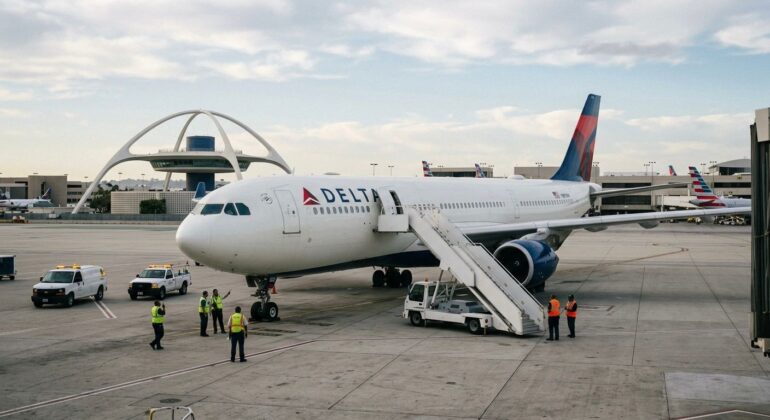
When delta flight dl275 diverted lax, travelers and those in the aviation community were understandably highly concerned. An emergency landing in LAX converted a long-haul flight from Detroit to Tokyo, but what simply appears on the surface to be just a diversion, is worth nearly $2.3 million to the airline. This incident further reveals the gaps in airline safety and the need for advanced technology to increase safety on board and in the air.
What was the incident? What were the costs? More importantly, what do these gaps mean to the safety of the flying public, to the future of air travel and to the airline industry as a whole? Here is a summary of what was lost in the tech used to protect air passengers.
The Basics of Delta Flight DL275.
Flight Path: Detroit Metropolitan Wayne County Airport (DTW) to Tokyo Haneda Airport (HND)
- Aircraft: Airbus A350-900, N508DN
- Diverted To: Los Angeles International Airport (LAX)
- Reason: Engine anti-ice system failure
- Flight Time: 12 hours and 15 minutes
- Cost to Delta: $2.3 million
Event Chronology
Delta flight DL275 left Detroit Metropolitan Airport (DTW) at 15:53, May 27, 2025. The flight had already been delayed due to the flight’s previous arrival from Amsterdam. Passengers expected a direct flight to Tokyo; however, the situation was about to get a lot worse, and fast, when the flight was mid-flight over the North Pacific.
Rather than continuing the flight to Japan or returning to Detroit, Delta’s crew made the informed decision to land at LAX because of the available resources regarding safety and logistics. They acted quickly; their decision proved correct. LAX was the only possible stop. Here’s why.
Tools and Infrastructure
Delta uses LAX as a hub. Airbus A350s are maintained at LAX, a location that is Delta’s hub. LAX has support for A350 engines, specifically the Trent XWBs. Because of this, LAX was the best choice.
Passenger Needs
Since LAX has many flights accommodating passengers traveling to Tokyo, rebooking or placing passengers on lengthy layovers was less of a hassle.
Landing Safety
LAX has the longest runway and the best weather for the type of landing Delta had to execute because of the long distance flight with a full tank of fuel.
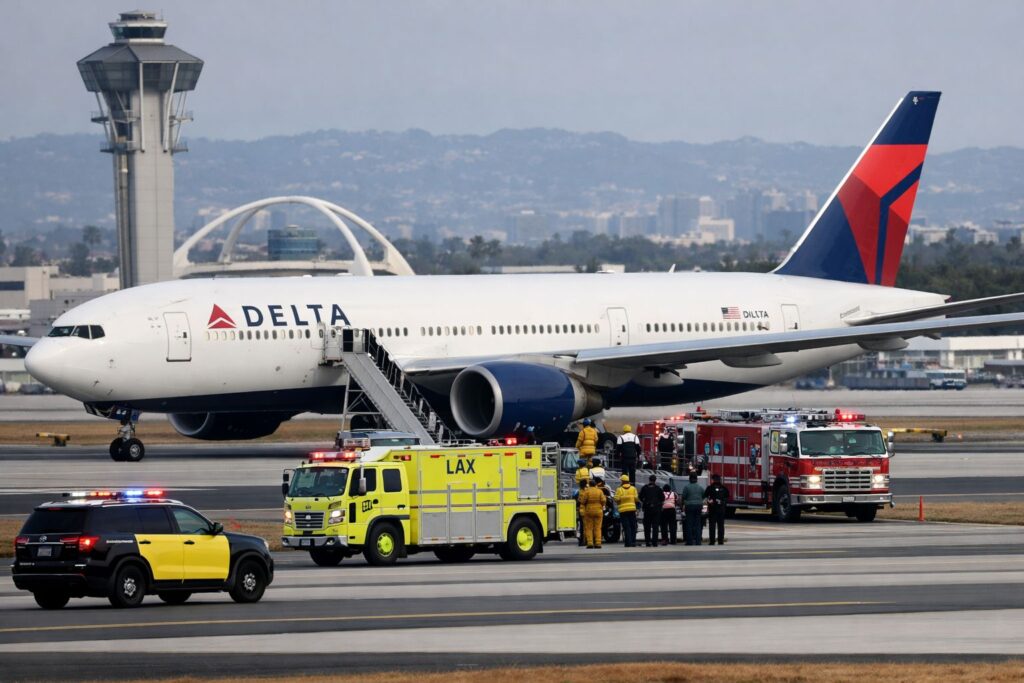
Delta flight DL275 landed safely at LAX at 1:08 a.m. on May 28th, 2025, completing an extended flight of 12 hours and 15 minutes
What Technology Could Have Done
The failure of the anti-ice system was not an isolated incident. Aviation experts believe that if Delta Flight DL275 had taken this flight 3 to 6 hours earlier, then the anti-ice system would have been functional. This is because of the advanced predictive analytics that are powered by artificial intelligence.
Smart Technologies that Could Have Helped
The anti-ice system could not have been monitored before the flight. However, health monitoring and digital diagnostics would have provided irregularity alerts, and the system would have passed pre-flight checks.
This information could have grounded the flight, preserving fuel and time and eliminating the risk to the 300+ passengers.
This case should remind all major airlines, including Delta, that a reactive system of maintenance is no longer sufficient. The next generation of air safety is a more proactive system that utilizes available technology.
What This Means for Travelers
Travelers on today’s Delta flights from Japan to Detroit, or those tracking LAX to DTW flight status today, may be subject to schedule changes due to Delta’s operational adjustments.
If you were booked on that same route:
You should check your Delta app for live updates and rebooking information.
You should anticipate delays or an aircraft change while N508DN undergoes maintenance at LAX.
You may be compelled to receive compensation or a hotel voucher, based on the airline’s established procedures.
Airline Response & Passenger Experience
Delta has not provided a comprehensive statement to the public, however insiders reported that all passengers were safe and there were no injuries, and Flight attendants successfully executed the safety protocols during the diversion to maintain order and calm the passengers.
Delta has engaged the assistance of Rolls-Royce engineers to identify the failure and avoid reoccurrence.
Satisfaction for the pilot’s professionalism and unscheduled communication to the passengers was expressed via social media by some passengers.
The Bigger Picture: Is There a Shift in Aviation Safety?
DL275 not only disrupted customers’ plans after being diverted to LAX, but also provided an example of how aviation safety continues to develop. While aviation as a whole has become more reliable and safe, incidents like this demonstrate that there is room for improvement.
With the aviation hardware becoming more sophisticated and customers’ demands increasing, predictive technologies will prove to be critical, not just a trend. Modern aviation must integrate intelligent systems that not only identify and respond to hardware failures, but also suggest optimal ways to circumvent the issue.
What to Watch Next
Customers that were tracking the status of Delta flights from Japan to Detroit (scheduled to arrive at DTW via LAX) should experience a delay-free flight once operations have returned to normal.
What to watch out for in the near future:
- Maintenance reports published by Delta
- FAA investigations regarding the engine incident
- Improvements made to Delta’s predictive maintenance systems
If you have an interest in flight disruptions and the safety of air travel systems, check out the rest of our website for aviation breakdowns and stories revolving around air travel technology.
Final Thought
The recent incident of delta flight dl275 diverted lax demonstrates that even the newest aircraft and the most experienced flight crews face difficulty dealing with the unexpected. However, utilizing the right tools and technology will allow a major improvement on the safety and intelligence of the flights of the future.
For related news, see how Delta Airlines terminated an employee for a post against Palestine that sparked controversy.